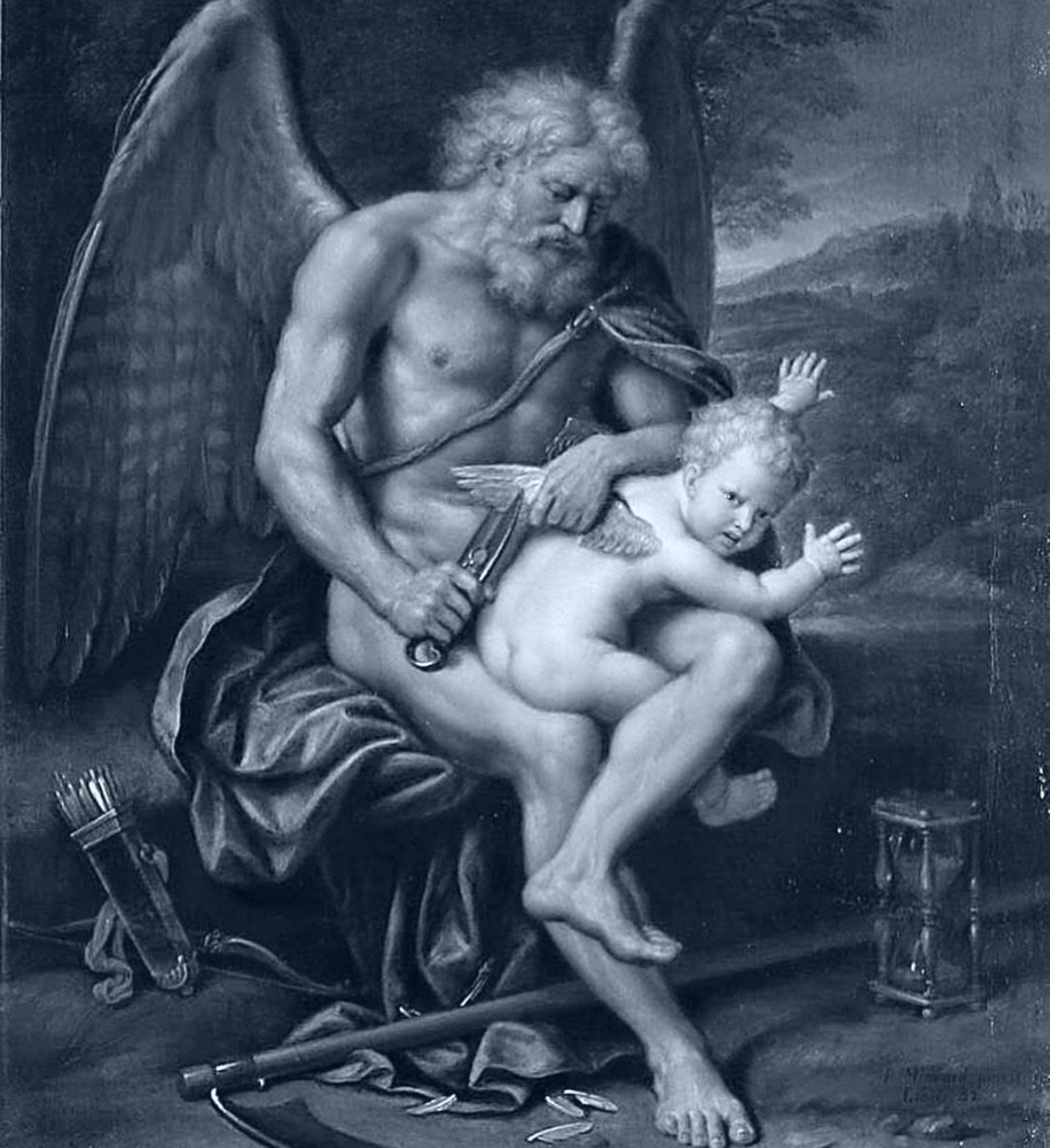
«Cronus Clipping Cupid's Wings»
Translated from the original Spanish article.
A few days ago I came across this painting and was struck by how much it communicates visually. Yes, I know: me talking about art, when I'm nothing of the sort.
I want to share that communicative power with you, along with my own reading of it, which may well be wrong, of course. That's for you to judge. But I think it's an interesting question.
Here we go.
Pierre Mignard was a fairly well-known 17th-century French painter. His works hang in the Louvre, he has a fresco at Versailles and, from what I've read, there is also a painting of his on display at the Museo del Prado. He painted this particular work, Cronus Clipping Cupid's Wings, at the age of 82, a year before he died. And I think that detail matters for how we read it, as we'll see.
"Love conquers all, but time conquers love."
In the painting we see Cronus, lord and god of time, recognisable by his wings, his beard, the hourglass and the scythe. Cronus is clipping the wings of Cupid (Eros), the god of love, or of amorous desire, who in turn is shown as a winged child carrying a bow and a quiver of arrows.
The meaning of the painting is that time kills love. We could build on that from here, but that's not my intention. Let each of us take it in and digest it in our own way.
Later paintings repeat and reinforce this idea of Cronus clipping Cupid's wings, of time killing love. There are, however, other readings.
I believe this work is more nuanced in what it communicates. I like to think that old Pierre, at 82, was calm and wise enough not to settle for such a blunt message, such a pessimistic idea.
Does time really kill love? Meh, I'm not so sure.
The rebellious, spoilt child.
Cupid is a rebellious, spoilt child. You only have to look at his face.
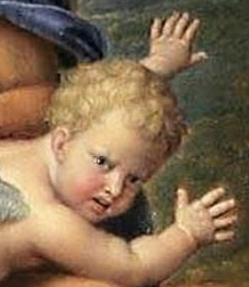
He isn't suffering; he's annoyed. It bothers him that he isn't being allowed to carry on with his mischief.
Cronus, on the other hand, shows no anger. He looks more like a sage, with a kindly expression. His posture is firm but relaxed.
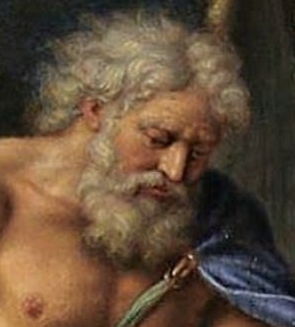
I'm not sure this is an act of violence. It looks more like an act of upbringing.
Let's look at a few more elements:
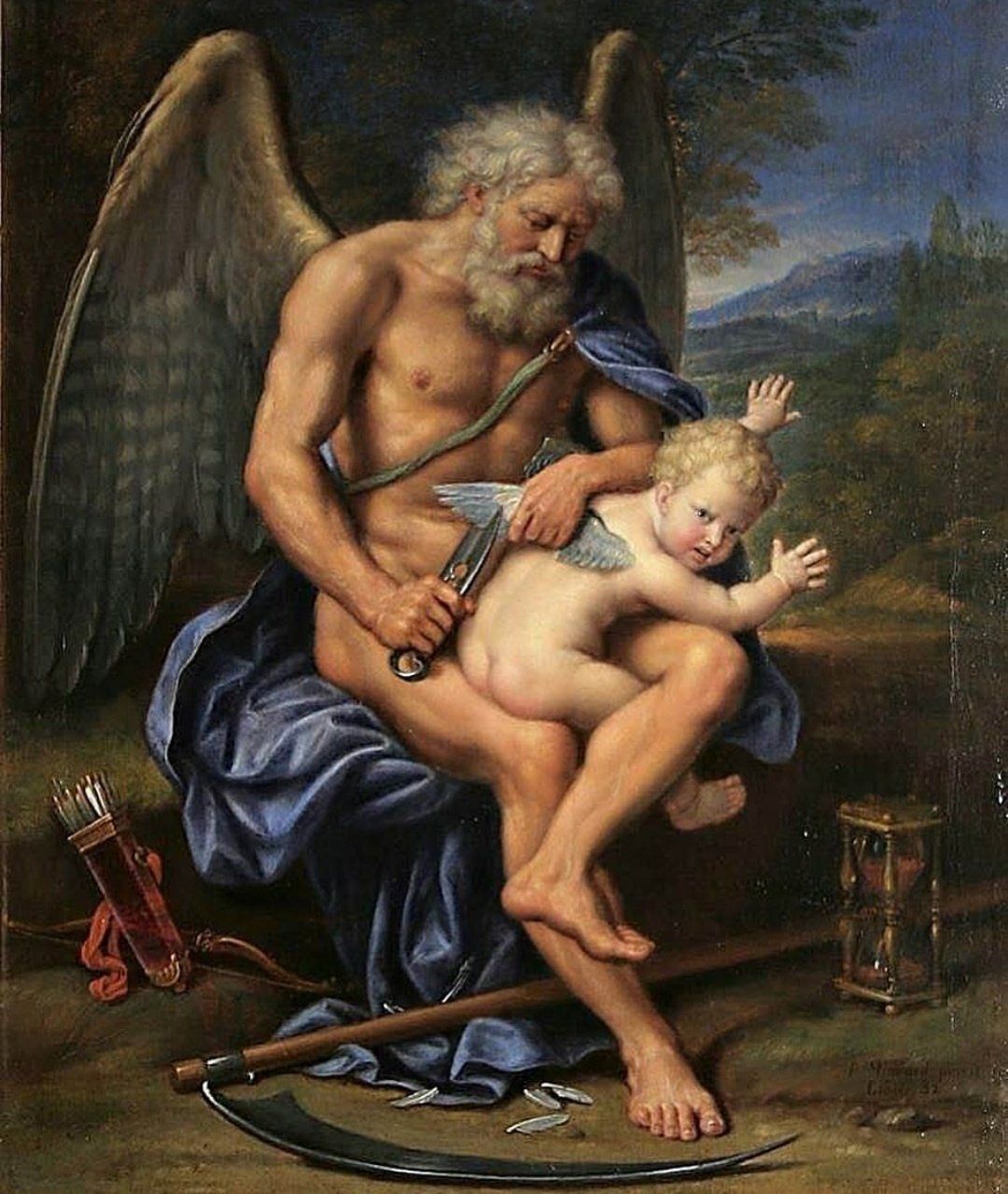
Cupid's arrows and bow have been neatly set to one side. On the ground there are feathers, apparently dropped one by one, with no blood and no violence. The scythe lies on the ground, discarded. It isn't the tool he's using: in his hand he holds something more like a pair of sheep shears.
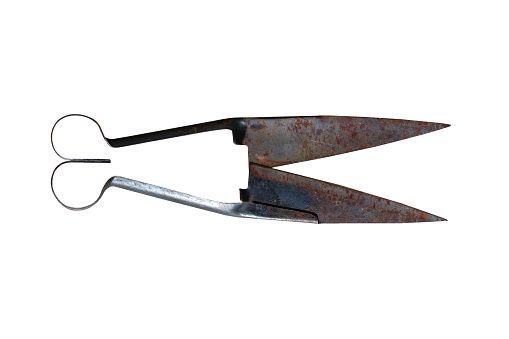
It looks as if he's plucking the feathers, which is not the same as cutting off the wings.
There are differences, for example, with this later painting:
 Ivan Akimov, "Saturn Clipping Cupid's Wings" (1802)
Time doesn't kill love. It brings it down to earth.
Cupid stands for love that is more idealised than realistic. Innocent, rebellious, energetic, unbridled love. But over time, that love is shaped, it learns and it matures.
Little by little, love comes to understand that reality isn't always ideal, and so it stops idealising it. It still has its wings, of course, but they're no longer for flying.
Love, once it has learned, knows how to stay, calmly, in the place and the form that last over time.
What a wonderful painting, Pierre.