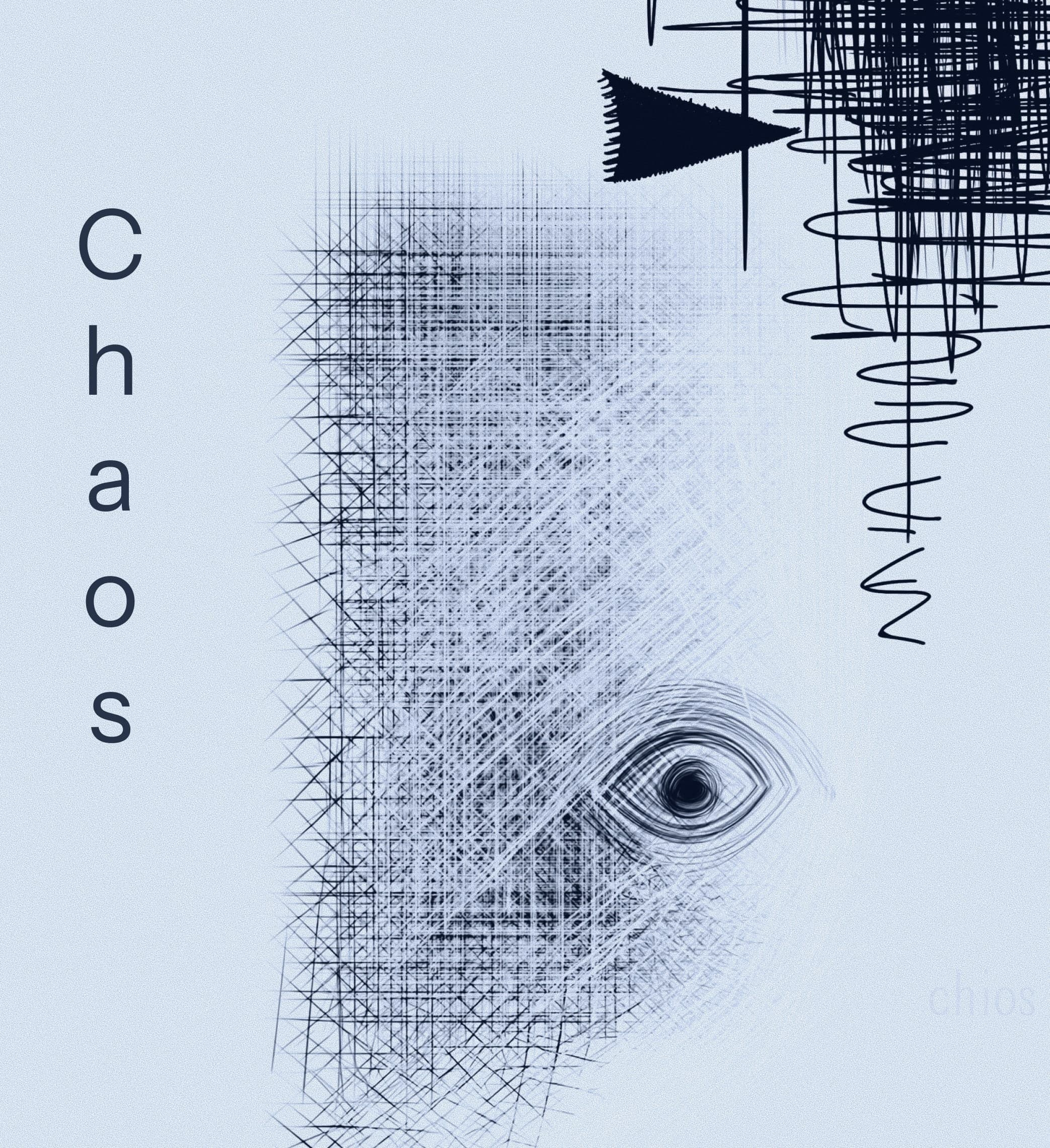
Chaos is a form of violence
Translated from the original Spanish article.
Chaos is a form of violence. An uncomfortable tension in the mind, capable of driving even the most stoic of executives to despair.
Although, admittedly, I must say I've seen admirable tolerance in the odd case. Or perhaps it was me, wanting to imagine Sisyphus happy.
I say this because I've spent close to 15 years working in marketing, stepping into conversations where it's treated as a kind of fuzzy science. When it's neither science nor fuzzy.
In my experience, most of the time what's going on is an attempt to fit the pieces of the puzzle together separately, while still arguing over the true shape and color of each piece, without any idea of the full picture.
In our—very human—eagerness to impose order and soothe our unease with a sense of control, we tend to rationalize the business of marketing as if it were an engineering challenge.
And so, in offices, dashboards get built that relate variables—CAC, CPC, CTR, % Interaction, bounce rate, engagement—and everything is cooked up and formulated so that someone has something to work on tomorrow and someone else gets a narrative they can buy.
Meanwhile, the customers go about their business. As they should.
And so the buck keeps getting passed, in a tacit agreement not to question the dynamic that keeps everyone safe from the headache.
However, once time goes by and things are getting nowhere, we inevitably wade into the mire of untangling the causes. Until, like a freedom that blossoms out of sheer weariness, we send it all to hell and change the marketing director, the agency, or whatever it may be.
It's curious, this logic of putting the technical side at the center of the conversation, when marketing—and companies, let's not forget—is about people and the way they relate to one another and to the market.
Even so, it's a logic as curious as it is understandable, given the channels through which marketing actions are carried out these days. Among other things.
To Folly's further delight, I've often come across independent teams working on the different areas separately. Like some kind of creature whose parts, added together, contribute nothing to one another. With no anatomy and no common tongue. Without a basic, workable understanding that would allow them to collaborate from the same existential plane.
There's something about clarity that always makes it the standout quality of a marketing expert.
We'll tackle it another time: what clarity is, how you arrive at it, what it looks like, and how it brings things into harmony.
Not today. Today I leave you with the chaos.