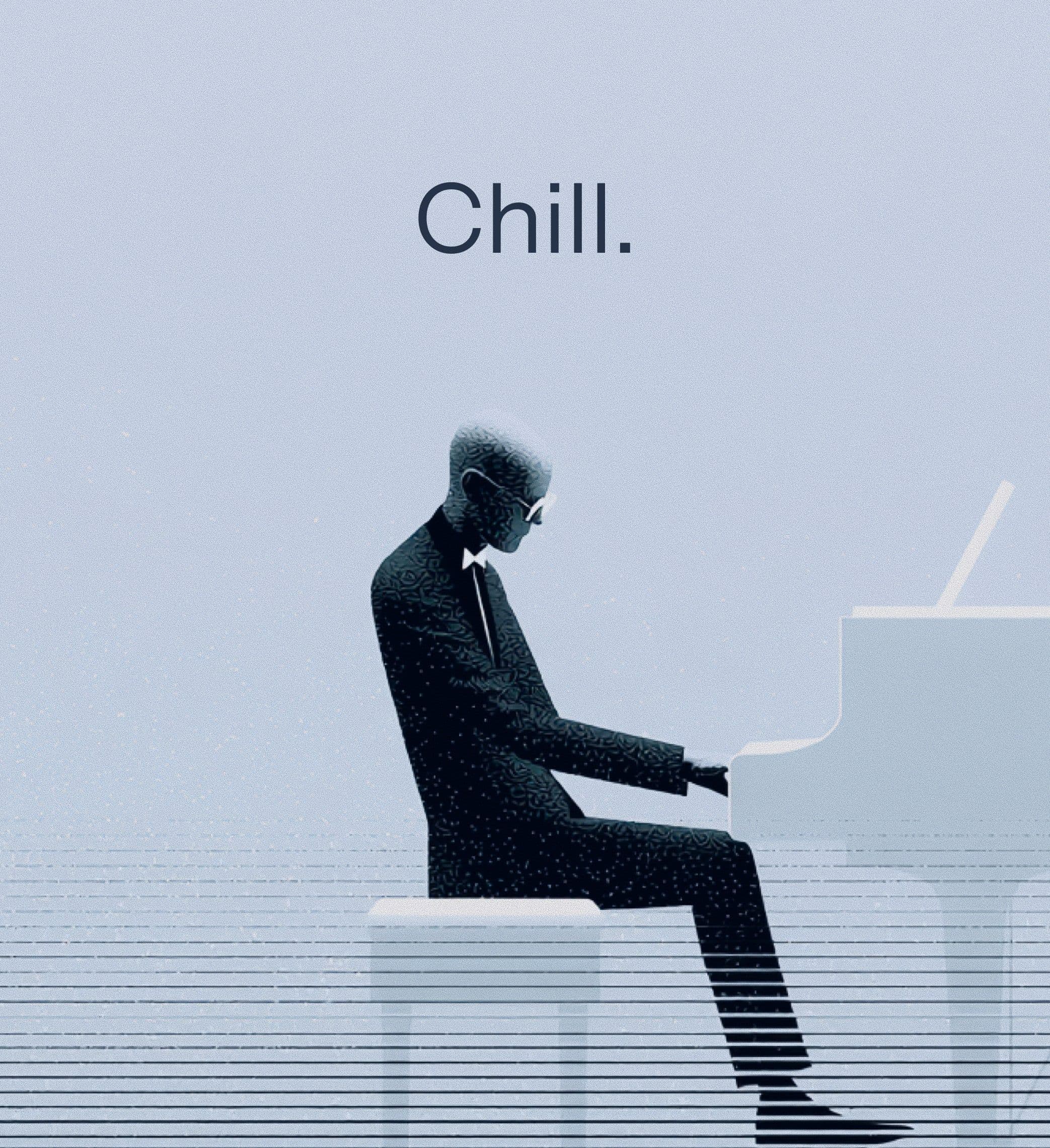
The pianist at the back of the room
Translated from the original Spanish article.
A pianist plays at the back of a room. He has finished the popular repertoire. Now, when almost no one is looking at him, and at a lower volume, the most beautiful music of the night begins to play. Only a few, the ones paying attention, stay close to listen.
When he finishes, they ask his name and when and where they can see him play again. They thank him for his music with respect and interest. They know that, as soon as they get the chance, they will tell their friends about what they experienced in that small room.
The next morning, not far from there, a team of advertisers is wrestling with how to get more reach, more likes, more shares out of the content plan. A dynamic fed by anxiety, one that the times keep pushing us toward.
There are brands that need half a million views to make two sales. Well, if it takes millions of impressions to make a handful of sales, we are measuring something wrong.
Social media metrics are the figures that matter to the companies that own those networks, let’s not forget. They are numbers that measure not value but a reaction, one that is, more often than not, superficial and doesn’t imply interest, however much it is depicted with a heart.
When you create for the algorithm, and you do it well, you get exactly the minimal reaction it needs to keep someone in front of the screen for one more second. Nothing more.
And now artificial intelligence joins in, undoubtedly pushing the current in the same direction. Between algorithms and AI models, a torrent of videos, graphics and messages is being churned out to leave us staring at the screen, anesthetized and dumbfounded. What they won’t do, because they neither know how nor care to, is build a real bond.
What connects takes another path. It means finding your own voice, your own space, and creating from that center for the people you want to reach.
The best things were always born of those who enjoyed creating them.
And their audience, small at first by the expectations and figures that meme virality imposes, is often silent. It doesn’t always hit the like button, even when it has truly connected with what it has seen. Because a Like doesn’t represent that; the like is about other things.
What will happen is that someone comes over, interested, to recognize our work. To ask for our card.
There are brands that, with just a few thousand followers, have in marketing a source of revenue significantly greater than that of the vast majority of companies posting on social media.
That’s why, every now and then, it’s worth remembering the pianist at the back of the room. May he remind us that what is authentic, intimate and well made always ends up prevailing.
Even if at first it isn’t what gets the most applause. Or what the algorithm likes.